Vancouver Landfill Lifetime Extended to 2050
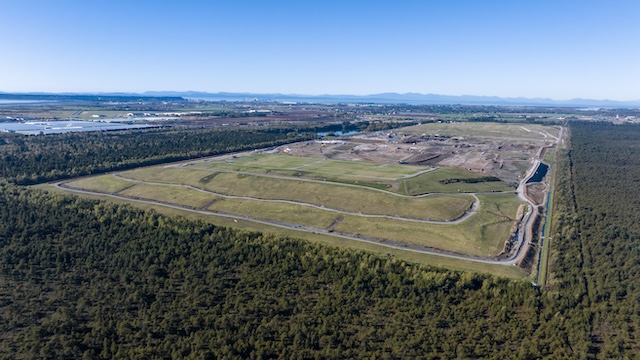
Metro Vancouver announced that the Vancouver Landfill will continue to serve the region until approximately 2050, without increasing the agreed area or height of the landfill. It was previously expected to close as early as 2030 and is currently located on the south west side of Burns Bog in Delta.
Vancouver Landfill Lifetime Extended to 2050
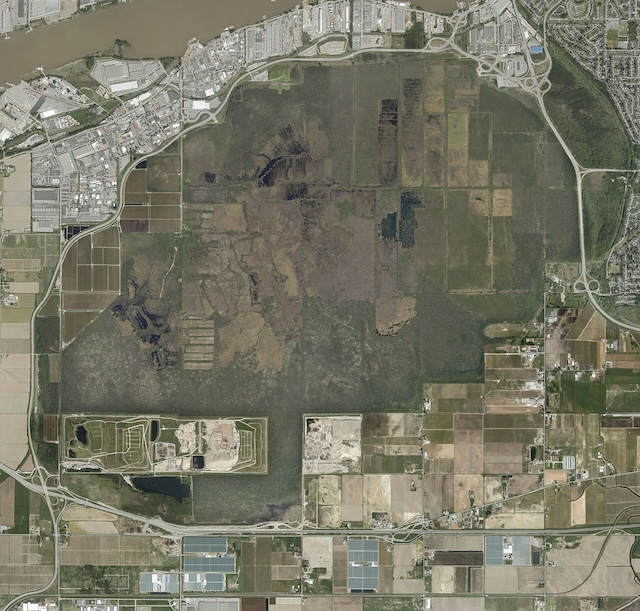
Burns Bog is a raised bog ecosystem covering approximately 3,000 ha of the Fraser River delta between the south arm of the Fraser River and Boundary Bay. It is the largest undeveloped urban landmass in North America, and it is globally unique because of its chemistry, form, flora and large size.
In 1996, Delta Council struck a deal with the City of Vancouver to allow the landfill in the bog to grow taller, instead of filling further into the bog as originally planned. Extending the life of the landfill by 20 years results in more than $300 million in avoided future tipping fees for residents and businesses, as well as new investments in Burns Bog enhancement and conservation.
The life of the landfill can be extended because more volume is available within the existing footprint than previously estimated due to settlement and optimized operations. Since future filling will occur within the landfill’s current footprint, there will be no significant additional environmental impacts from extending the life of the landfill.
“Being able to extend the life of the Vancouver Landfill is a win for the entire region,” said Mike Hurley, Chair of the Metro Vancouver Boards of Directors. “We are proud that our region has one of the highest recycling rates in North America, and we will continue working hard with our partners at the City of Vancouver and City of Delta, and across the region, to manage waste in a responsible and cost‑effective way.”
Metro Vancouver has one of the highest recycling rates in North America at 65 per cent. After waste reduction and recycling, about one million tonnes of garbage need to be disposed each year. Of that, about 65 per cent goes to the Vancouver Landfill, 25 per cent to the Waste-to-Energy Facility in Burnaby, with the remainder transported to remote private landfills.
The Vancouver Landfill is located in the City of Delta and owned by the City of Vancouver. An agreement between Metro Vancouver, the City of Vancouver, and the City of Delta recognizes the important role the facility plays by providing a cost-effective solution for managing garbage left over after all efforts to reduce, reuse, and recycle.
The agreement includes new Metro Vancouver investments of $10 million, plus $500,000 per year over the life of the landfill, toward Burns Bog enhancement and conservation. Areas no longer used for landfilling will also be available for beneficial use.
“This agreement underscores the value of regional collaboration. For Delta residents, it delivers continued financial contributions to the community along with new opportunities for the responsible and productive use of closed sections of the landfill site as operations continue,” said City of Delta Mayor George V. Harvie.
Metro Vancouver oversees regional solid waste planning and management, including regulating private facilities and operating public recycling and waste centres. The region continues to strive toward zero waste and a circular economy through policy, planning, and partnerships.
Related: New Pink Bins Around Vancouver for Recycling Flexible Plastics
Follow Miss604 on: